Latest articlesIf you’re not a subscriber, here’s what you missed this month.
To receive all the full articles and support ByteByteGo, consider subscribing: SQL, or Structured Query Language, is the backbone of modern data management. It enables efficient retrieval, manipulation, and management of data in a Database Management System (DBMS). Each SQL command taps into a complex sequence within a database, building on concepts like the connection pool, query cache, command parser, optimizer, and executor, which we covered in our last issue. Crafting effective queries is essential. The right SQL can enhance database performance; the wrong one can lead to increased costs and slower responses. In this issue, we focus on strategies such as using the Explain Plan, adding proper indexes, and optimizing commands like COUNT(*) and ORDER BY. We also dive into troubleshooting slow queries. While MySQL is our primary example, the techniques and strategies discussed are applicable across various database systems. Join us as we refine SQL queries for better performance and cost efficiency. Explain PlanIn MySQL, the EXPLAIN command, known as EXPLAIN PLAN in systems like Oracle, is a useful tool for analyzing how queries are executed. By adding EXPLAIN before a SELECT statement, MySQL provides information about how it processes the SQL. This output shows the tables involved, operations performed (such as sort, scan, and join), and the indexes used, among other execution details. This tool is particularly useful for optimizing SQL queries, as it helps developers see the query execution plan and identify potential bottlenecks. When an EXPLAIN statement is executed in MySQL, the database engine simulates the query execution. This simulation generates a detailed report without running the actual query. This report includes several important columns:
Let's explore a practical application of the EXPLAIN command using a database table named orders. Suppose we want to select orders with user_id equal to 100. To analyze this query with EXPLAIN, we would use: The output might look like this:
 Continue reading this post for free, courtesy of Alex Xu.A subscription gets you:
|
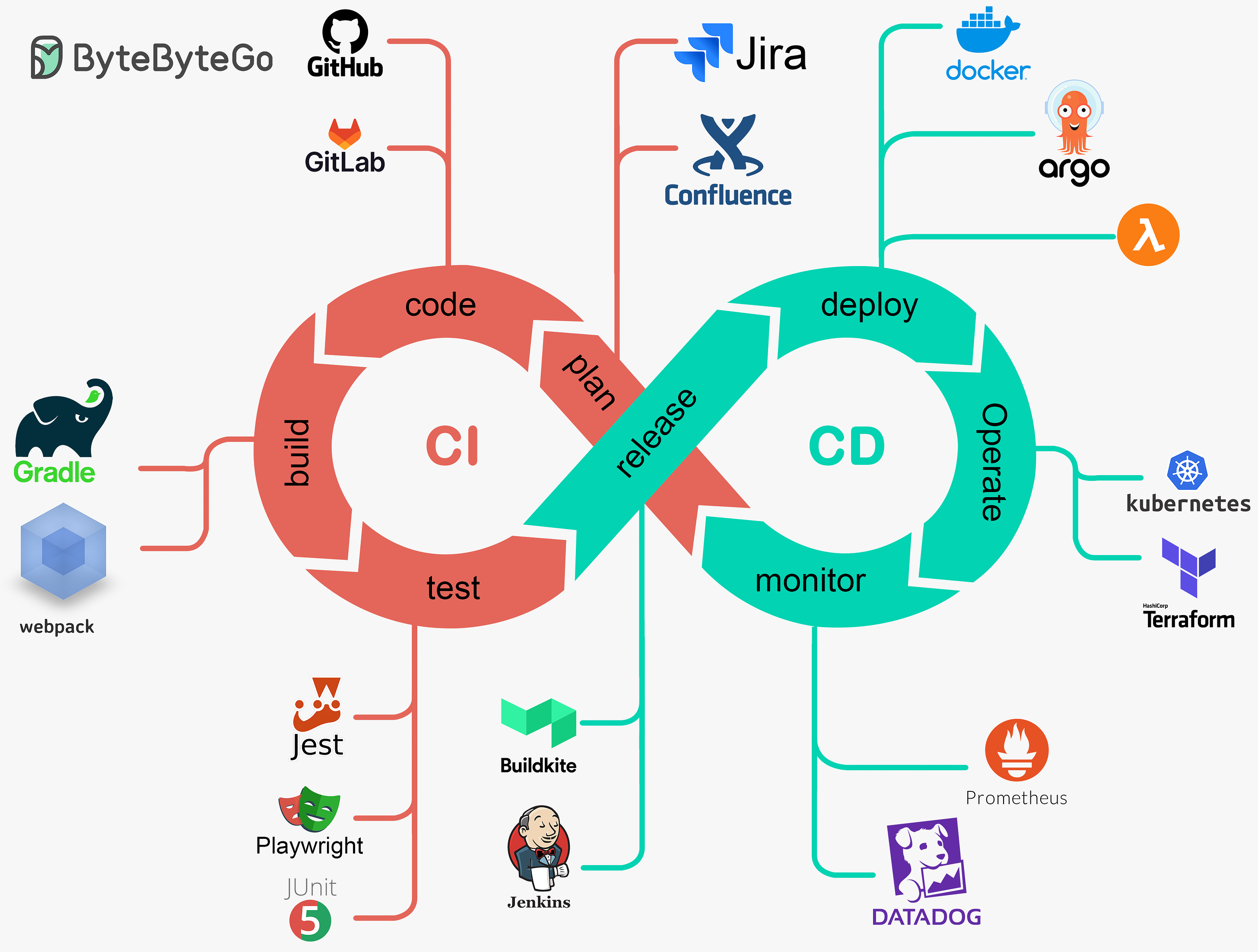








This week’s system design refresher: Top 9 Most Popular API Protocols (Youtube video) What is a deadlock? What’s the difference between Session-based authentication and JWTs? Top 6 ElasticSearch Use Cases Top 9 Cases Behind 100% CPU Usage SPONSOR US ͏ ͏ ͏ ͏ ͏ ͏ ͏ ͏ ͏ ͏ ͏ ͏ ͏ ͏ ͏ ͏ ͏ ͏ ͏ ͏ ͏ ͏ ͏ ͏ ͏ ͏ ͏ ͏ ...
Comments
Post a Comment