Welcome to this free edition of a Product Growth deep dive. Thanks for the continued space in your inbox. Humor for Growth: The Strategy You’re MissingHow to leverage humor as a PM to boost your product growth
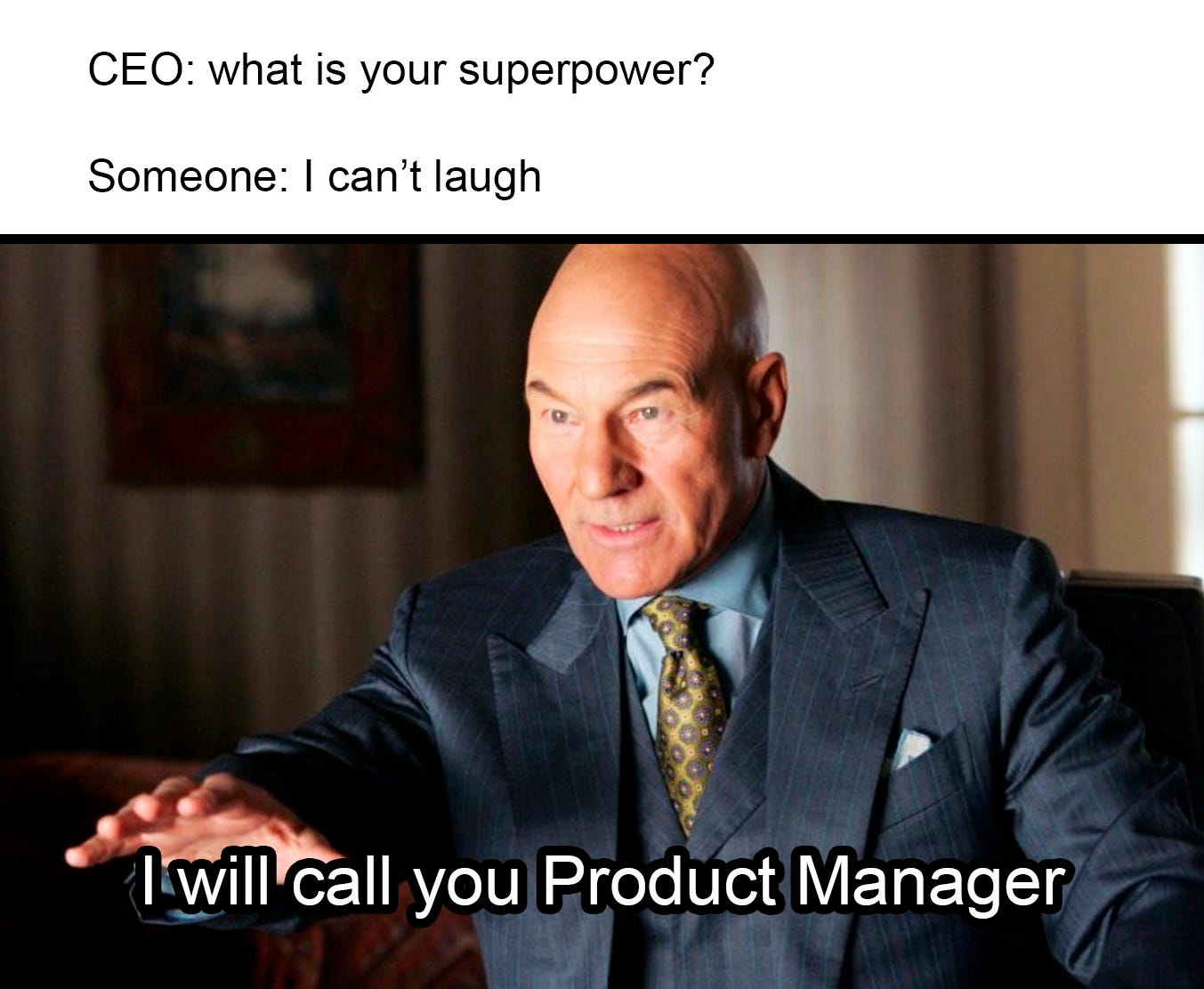
Humor is one of the most cost-effective skills to develop in the tech industry. But PMs aren’t necessarily known for their use of it. So when Tom Orbach reached out to me with his idea to write a deep dive on using humor to grow your product, I was instantly in. I’m really excited to share what he’s put together today. Introducing TomTom is Head of Growth Marketing at Wiz. He has a litany of expertise in using humor to drive growth.
He’s also author of the awesome Marketing Ideas newsletter. Be sure to subscribe. I’ve analyzed hundreds of viral products in recent years, and found that the common ground most shared was the use of humor. Humor can humanize your product, making it more relatable and memorable to customers through positive association. However, not all humor is created equal. To win at the game of humor, startups must deploy humor in a very specific way. Today’s PostWords: 5,774 | Est. Reading Time: 27 mins
1. Why does humor work?People tend to think more highly of brands that use humor, but why? 4 reasons:
1. Humor creates a sense of understanding.Humor bridges the gap between you and your customers, turning “them” and “me” into “us”.
This sense of “they understand me” encourages trust and loyalty. 2. Humor increases ‘Word of Mouth’.Humans are social creatures. When we laugh, we want to pass our joy along to others, seeking connection, and sharing the humor. This is why memes go viral. When people see something that they find funny, they often think:
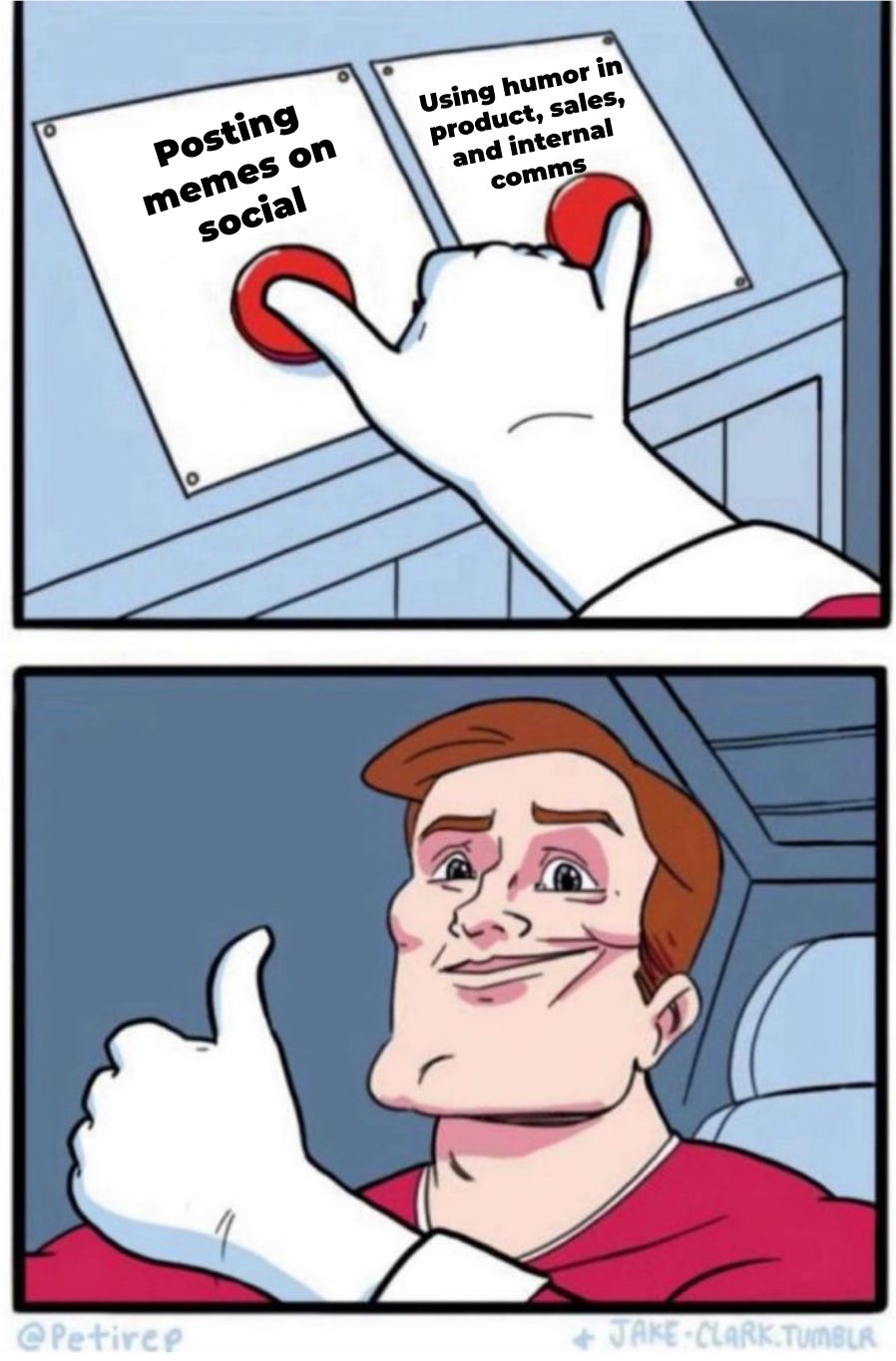
3. Humor can be motivating.When we laugh, our brains release endorphins that help us relax and make us feel good. It creates positive experiences and makes you want more, becoming a motivating factor in our decision-making. We seek it out. We go where the funny is. In a 2014 study, participants who were shown a humorous show (Mr. Bean, to be more specific) and then asked to solve a secretly-impossible puzzle - spent 50% more time trying than groups that watched non-funny videos – suggesting that humor can motivate and energize people in everyday activities. Bottom line: If you need your customers to get through a long and exhausting onboarding session, humor is the way to go. 4. It makes you stand out of the crowd.Especially in B2B, formal communication is the standard. There’s nothing wrong with being professional and straightforward, but infusing your brand messaging with curated humor can differentiate you from the competition. Humor comes at a risk – it requires companies to put themselves out there and dare, which is why most don’t do it. So—if you are bold enough, you stand out. 2. Where should you leverage humor in your growth strategies?So where does humor belong? The short answer is everywhere. The challenge is that people often shy away from humor believing it’s only reserved for certain channels like memes on social media or can only be effective with a certain demographic like Gen Z. Neither of these assumptions are true.
In my experience, there are 4 places where startups should use humor: Humor Area 1 - MarketingHumor in marketing has a way of supercharging its ability to capture your target audience’s attention and create a sense of connection between them and your startup. Using industry-specific humor in website copy, social media, events, and other marketing assets can work wonders for almost any marketing metric (web traffic, CTR, social engagement, etc). From my experience, there are 3 secrets for successfully using humor in marketing: relatability, insight, and speaking the unspoken (more on that in a minute). Humor Area 2 - ProductAdding funny elements in unexpected places can spark interest in customers. Android discovered this opportunity in its early days by introducing fun “Easter eggs” that were hidden in their software updates. When users repeatedly tapped or long-pressed the version number, a scary-looking gingerbread man appeared next to the Android logo with zombies holding smartphones in the background. This nod to common social commentary that phone use renders people brain-dead, effectively captivated the Android user base for two reasons. 1. People started talking about itAndroid users who learned about the Easter egg were quick to pass on the knowledge to others, wanting to share the spark of joy and forge a connection over a seemingly meaningless gesture from the development team. Because the feature was exclusive to Androids, it contributed to the sense of belonging and appreciation users felt for the brand. Remember when #TeamAndroid was a thing? 2. Users started anticipating (or at the very least, noticing) the next software updateUsers who would barely register the changes were now eagerly awaiting the next installation update so they could head straight to the version number to unveil the latest surprise. This created the perfect opportunity for Android developers to infuse a little humor and other more complicated perks like interactive backgrounds and minigames.
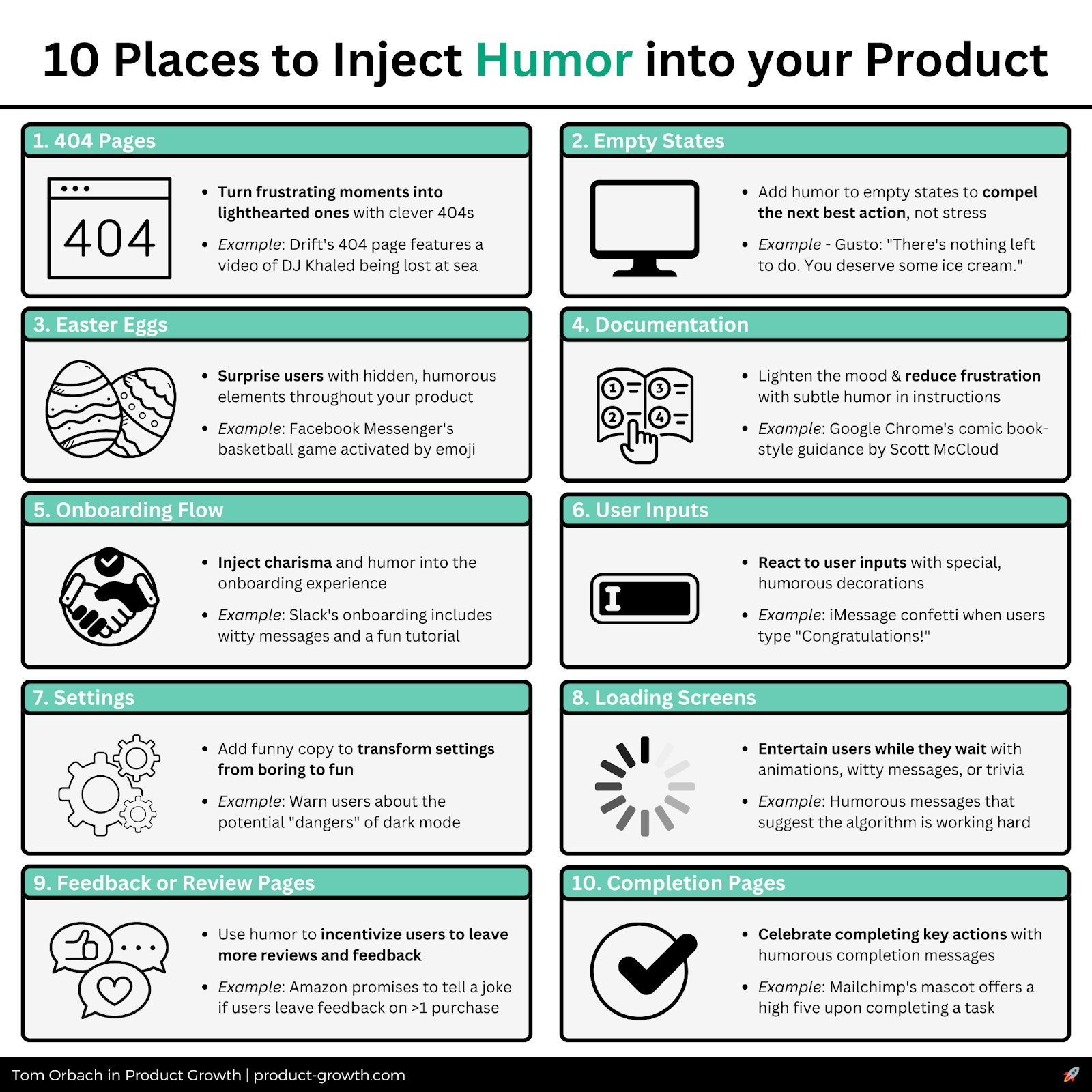
The lesson? A little unexpected humor in a strange place can go a long way towards fostering brand loyalty. You have loads of options to be creative with how humor is embedded in your products including 404 error pages, user instructions, terms and conditions, empty states, and settings toggles. This can result in higher retention rates and increased word of mouth for funny product delights that people can screenshot and share online. (We’ll go into more detail on these below.) Some startups even created funny features (designed simply to amuse and entertain by their mere existence):
Humor Area 3 - SalesHumor can make your sales process stand out from your competitors. Showing off your sense of humor and making a memorable impression in initial calls, presentations, and direct messages can improve response and closing rates. Remember – more than 70% of people surveyed say they’d buy from a humorous brand over a serious competitor. Being lighthearted can also take the edge off otherwise stressful situations (for both you and the potential customer) like negotiations or cold calls. Tactics include breaking the ice with a joke when sending cold DMs on LinkedIn or using memes in sales emails to add a personal touch and develop a positive relationship with potential customers. Not all humor has to be delivered digitally. Sending punny swag and closing gifts, like branded sunglasses with the message, “our future together is so bright you’ll need to wear shades” brings casual comedy to the table to help you leave with a loyal customer. Humor Area 4 - InternallyWhat do Best Buy, Etsy, Ben & Jerry’s, Southwest Airlines, and even LinkedIn have in common? They all list “fun” as a core brand value and are well-known for using playfulness within their startup. Embracing humor creates just as much brand loyalty in-house as it does with customers.
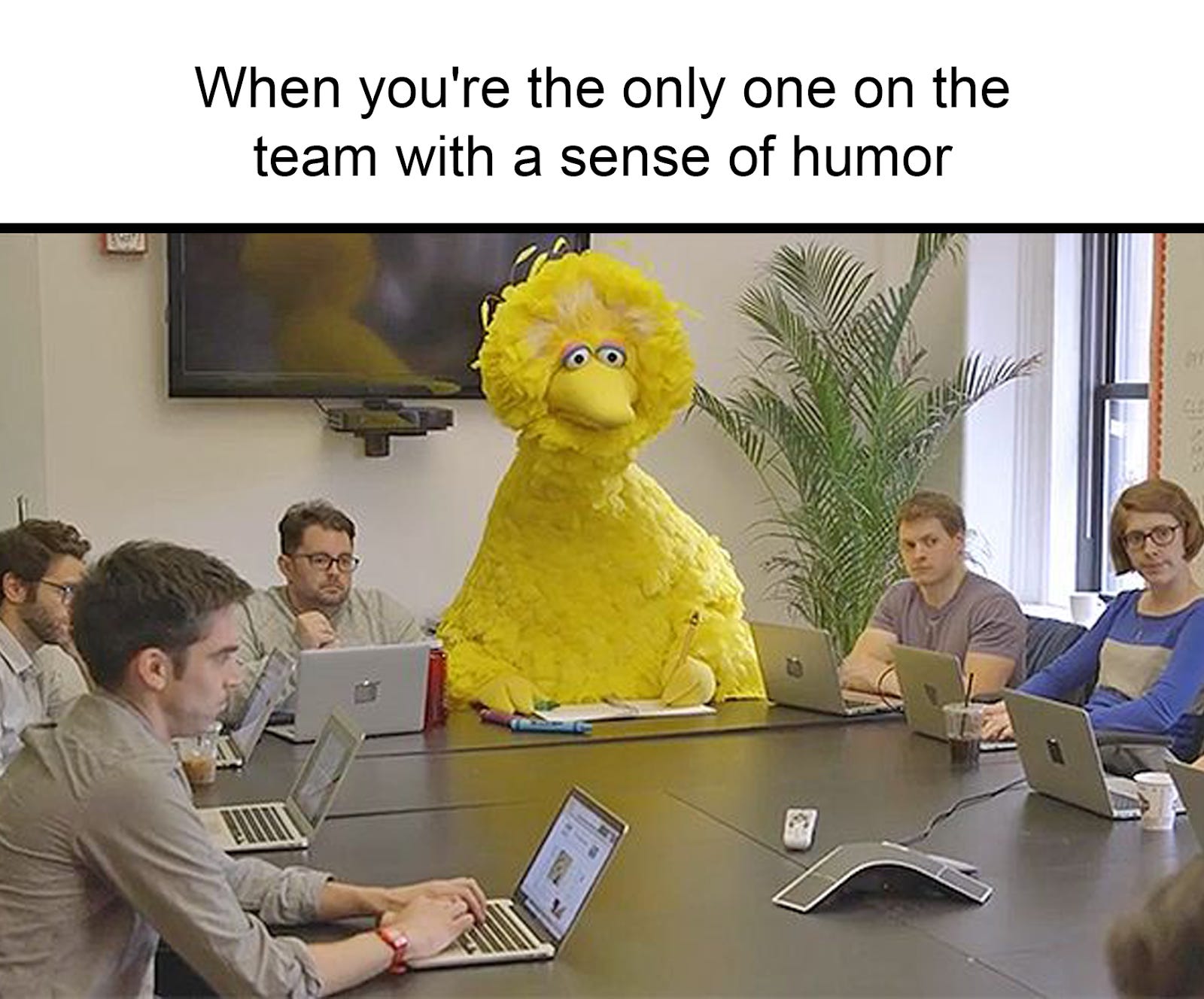
In my experience, humor is the best way to get buy-in from internal stakeholders and defend your big bets. When you’re funny with colleagues, they will support your work (like signing off on your projects, advocating for you with management, and accepting your influence in meetings and group work). Building a positive startup culture that encourages humor can make employees happier. A humorous workplace is often a healthy one. Studies have shown that light and upbeat work environments help increase employee satisfaction, promote higher productivity, and boost creativity. It’s also a great tool for recruitment and retention. 3. The top 10 product areas to inject humorIn my 10+ years of experience, I have come across some excellent tactics for integrating humor into tech products. There is no one-size-fits-all method for Product Managers to add humor, but these ideas should hopefully spark some ideas in your mind and inspire your future roadmap.
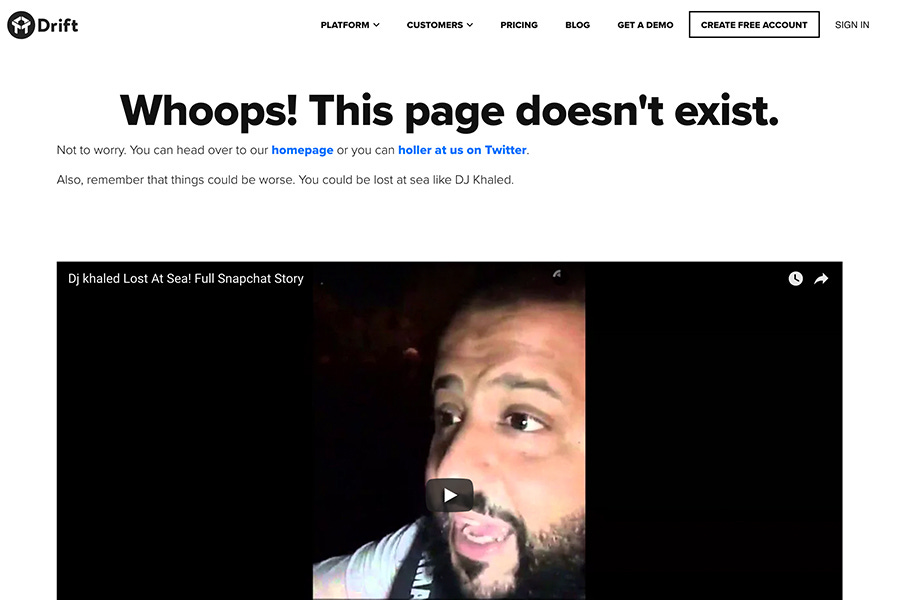
Product Area 1 - 404 PagesThe first place I want to focus on is a page you hope people will rarely, if ever, see: 404 error pages. These error pages are normally quite frustrating as it means someone has used an invalid link. Users might naturally bounce out of your product entirely upon seeing 404 pages. By injecting a touch of comedy into your 404 page, you can reduce the likelihood the visitor will leave in frustration. A creative 404 page can be a good way to help break the ice and make the user feel less annoyed when the link is incorrect. Here’s 3 examples. 1. Drift
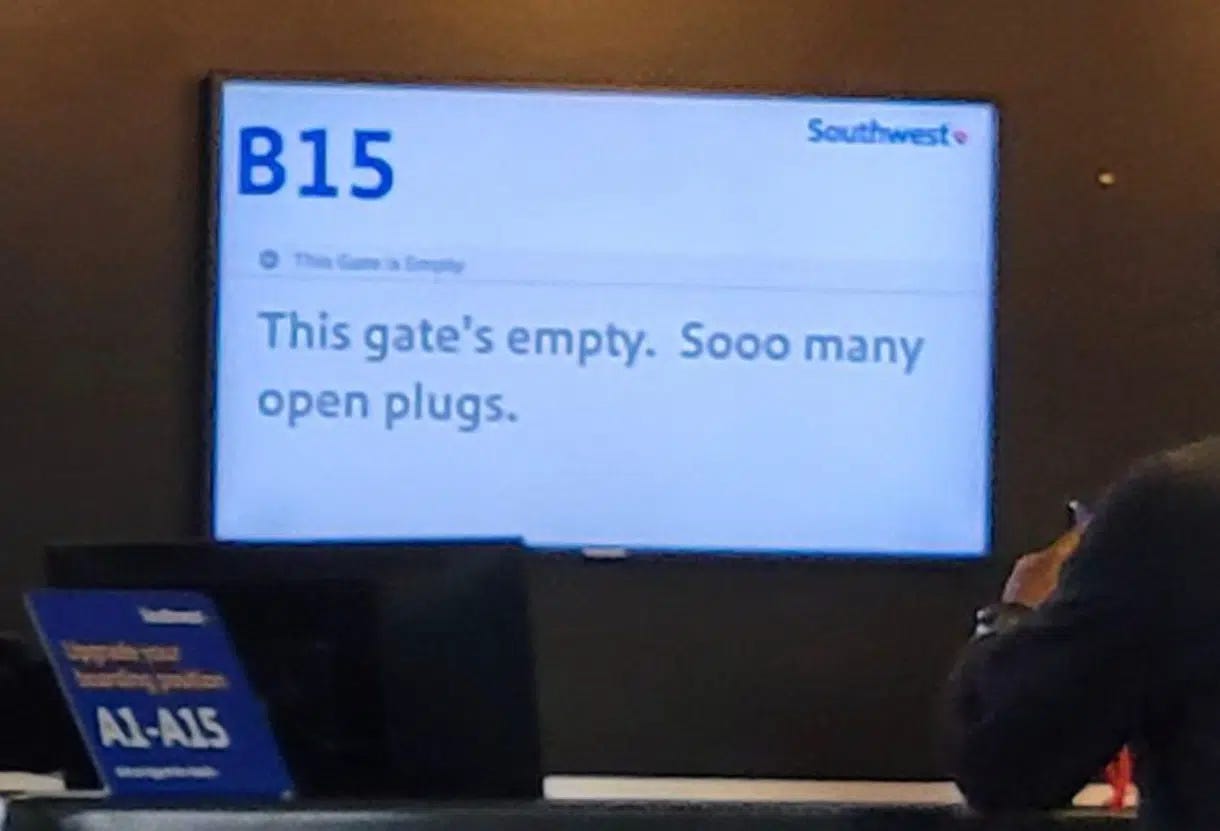
Drift makes use of a smart 404 error page that embeds a video of popular musician DJ Khaled being lost at sea. The implication is pretty clear: you might be ‘lost’ online, with an incorrect link, but you are not lost at sea as he was. I appreciate witticisms like this, and this can be especially useful if you want to try and lighten the tone somewhat. 2. BlizzardBlizzard Entertainment’s 404 page says “We’ve dispatched a rescue Murloc to guide you back to safety.” 3. HootsuiteA final example can be found at Hootsuite, the popular social media platform. Hootsuite uses a message that included a cute image of their mascot, Owly, on a milk carton as a missing animal. They then provide a comical statement saying ‘Fowl Not Found’ and that the page has ‘flown the coop’ before delivering a comical series of reasons why you might have arrived at the 404 page. Product Area 2 - Empty StatesNext, empty states - the pages you show if the product has no content on it (before users integrate their APIs, populate with info, upload data, etc.). Empty states are good for offering instructions, such as how to start a new document, for example, but they can also be a great chance to use some humor and comedy. There are many great examples of empty states found here. One great example I love is Southwest Airlines in airports - emphasizing the struggle to find spare plugs to charge our devices prior to flying:
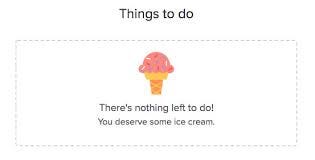
Another example I love is Gusto, an online payroll and human resources solution service, that seemed to have a pleasant way of reducing my anxiety about the empty state of my account dashboard page. After I finished all my to-do items, an empty state was displayed with the words, “There’s nothing left to do. You deserve some ice cream.”
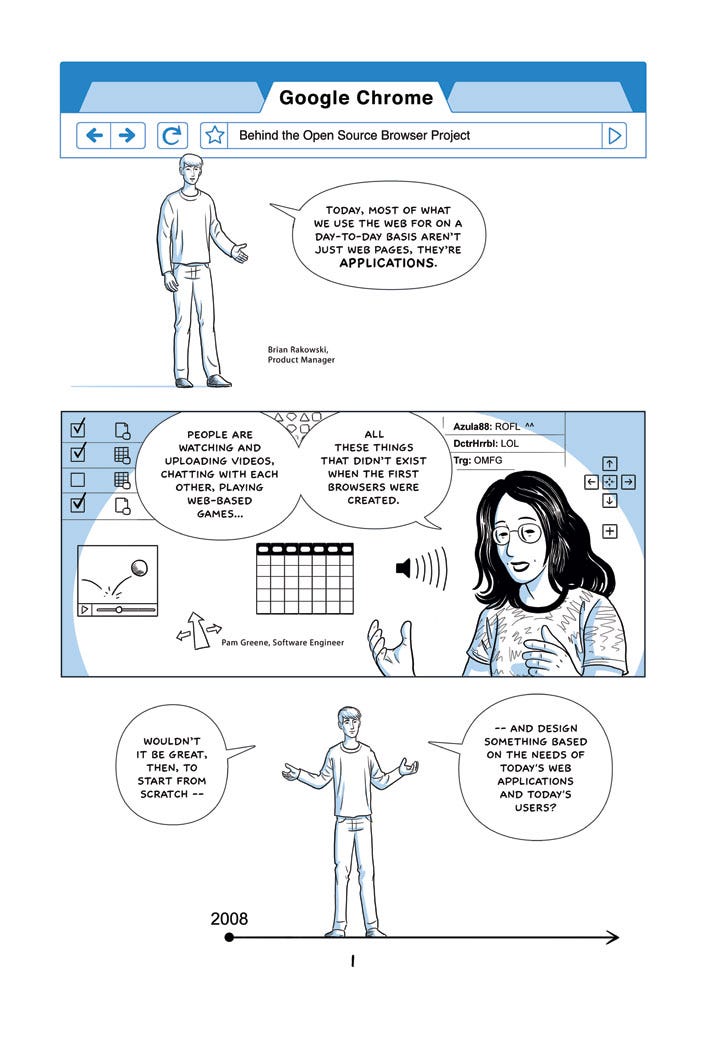
Empty states do not have to be boring. Putting humor on them can make users feel accomplished rather than stressed. Product Area 3 - Easter EggsEaster eggs come in all shapes and sizes and can be pleasant surprises when found within a product (like the Android example). Google, for example, is famous for its Easter eggs within its browser. During the Olympic Games, Google often plays small Olympic-inspired games. Microsoft’s latest web browser, Microsoft Edge, also contains a neat surfing game—simply search for edge://surf, and this cool little game appears Facebook Messenger also contains a small basketball game. Send a basketball emoji to someone, and then press on the basketball itself:  This brings up a small net – can you hit the shot? I have lost track of several conversations trying this one out. We can even take this back to 404 pages – Nosh.com used to include a 404 error page that should be a fight between Nosh’s staff and a ‘hostile’ web page that was trying to run away. Humorous and something that breaks the ice and helps to bring a smile to the face of an otherwise frustrated user. You can see an example of Nosh’s cool little Easter egg here. Product Area 4 - DocumentationWhen someone is working their way through the instructions of anything, first and foremost they want answers. However, humor can be used to help lighten the mood a little. I have found that humor in instructions and documentation can help to reduce frustration in the user and help them to understand complex ideas. Avoid being too on the nose, though. I would recommend keeping the humor subtle – perhaps a little in-joke. Make sure the humor is not insulting or simply crowbarred in for the sake of trying to be funny. A great example that I can give is one of the comic book-style guidance that was created for Google Chrome. Scott McCloud created a really interesting 39-page comic built around Google developers.
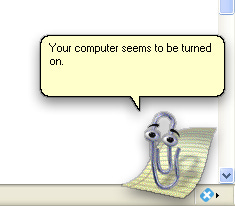
Another infamous example is that of Clippy from the early days of Microsoft Word. Sure, Clippy only gave out real advice about MS Word, but its messages are insanely funny when read without context:
I found some non-tech examples for this as well:
Product Area 5 - Onboarding FlowI love onboarding flows, but I love them more than when they inject a bit of humor and charisma into the experience. Beyond just using funny GIFs, think about how you can weave humor throughout the entire onboarding experience. Some ideas:
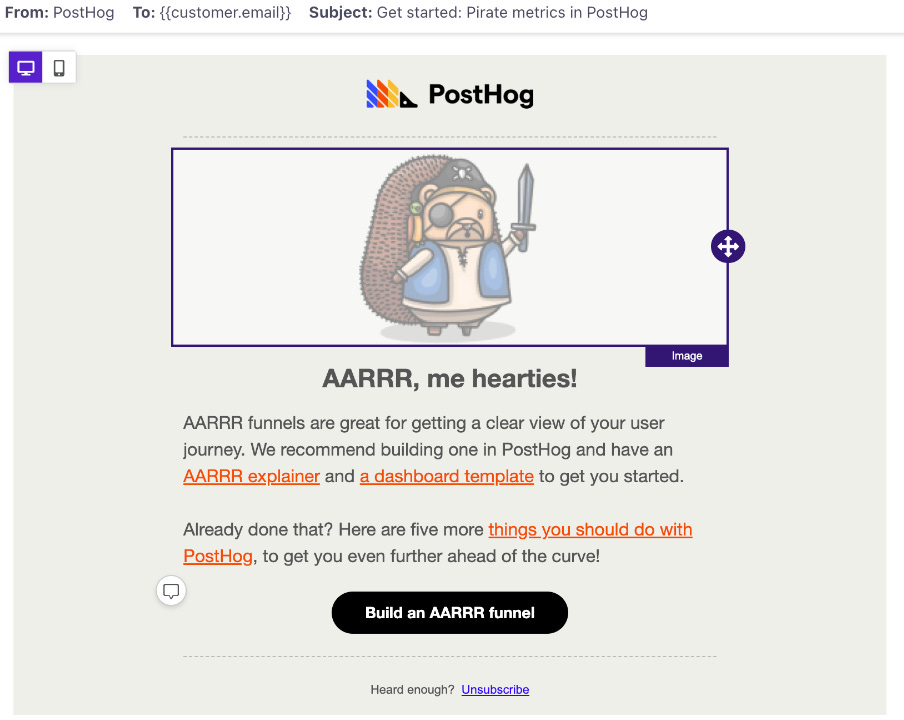
The key is making onboarding feel less like a chore or homework assignment, and more like an exploration with fun surprises along the way. Humor helps disarm new users and gets them excited to dive into your product. An example of this is PostHog’s email onboarding sequence:
On the employee side, one example that stands out immediately is a software development agency aimed at recruitment called Lever. Lever would have every new employee sent a bespoke GIF created for them prior to their arrival on the team:
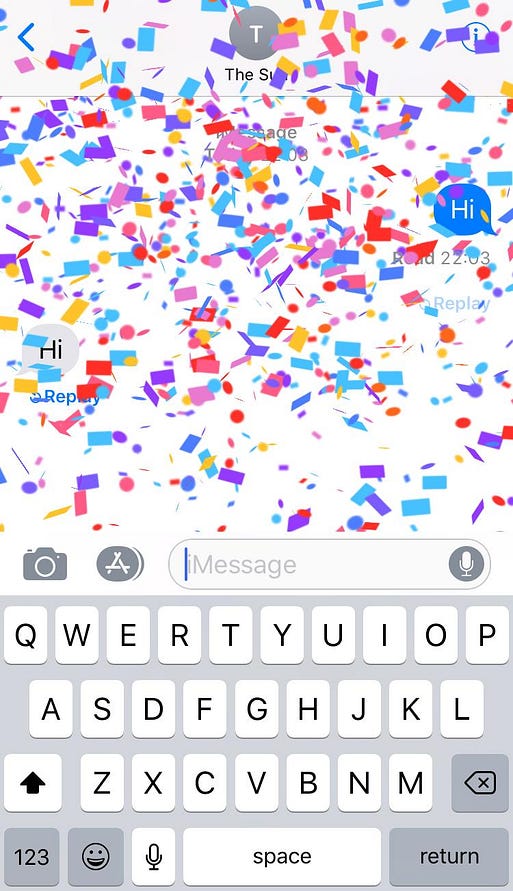
Product Area 6 - User InputsThe idea here is to react to user inputs with special ‘decorations’. ‘ Just like easter eggs, it will make users interact with your product more, looking for those surprises (thus increasing engagement and retention). A great example of this is iMessage. If you use iMessage, you might know that if you type “Congratulations!” then a shower of confetti will rain down the screen.
This looks really nice, and it makes the individuals in the message feel good about what they have just seen. It’s comical, adds a topical tone to the message, and just brightens up the user experience. Some other examples beyond iMessage confetti:
The opportunities for humor are endless - get creative with text inputs, swipe interactions, button clicks, etc. Adding these playful surprises will make your product more memorable and have users looking forward to every interaction. Product Area 7 - SettingsAdd a funny copy (and friction where necessary) to your settings screen. E.g. Gmail’s calling me out for 'forgetting' those emails again:
Injecting humor into settings and preferences is unexpected and can make digging through menus actually enjoyable. More ideas:
Get playful with toggles, radio button choices, empty state text, and more to make settings a delight, not a drag. Users will appreciate the attention to detail and your brand's unique personality shining through. Product Area 8 - Loading ScreensWho says waiting has to be boring? Add funny animations, witty messages (as if the algorithm is working hard), trivia, fun facts, or anything that will entertain your audience for a few seconds while they wait. Heap does a great job of this, leaning on its own logo:
Don't just settle for a basic spinner - use the time to serve up something fun! For example:
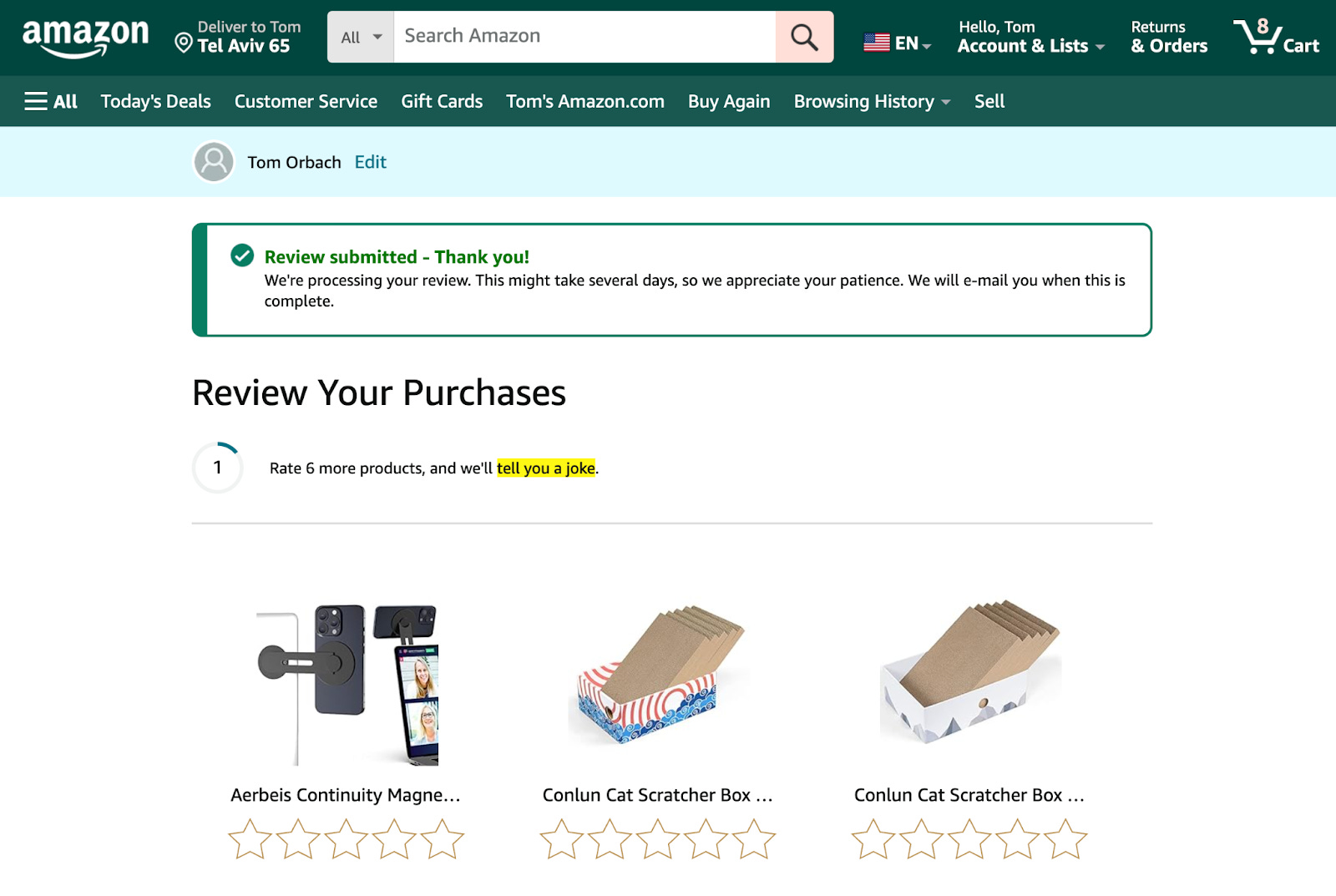
You could also use the loading time to display funny facts, user stats, or even minigames if the wait is long enough. The key is turning a typically frustrating experience (waiting) into a moment of delight. Product Area 9 - Feedback or Review PagesGetting customers to leave reviews of your product is difficult. Humor can help. I recently purchased an item on Amazon and left feedback for a seller. Afterward, it brought me to a “Review Your Purchases” page, which promised to tell me a joke if I left feedback on six more of my previous purchases. (See highlight in the image below).
It’s a fun, interactive and non harmful way to gather more feedback. It’s not just for reviews, for instance:
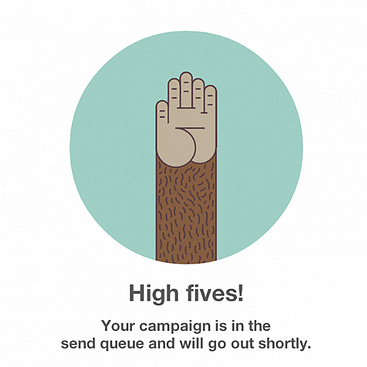
You can also incentivize feedback with a humorous prize or use funny imagery and gifs in the interface. Making users laugh as they share their thoughts shows you don't take yourself too seriously and sets a positive, casual tone that encourages honest input. Product Area 10 - Completion PagesFinally, adding a nice bit of humor to completion messages can be a good idea to help add some positive energy to a task being completed. The best example that I can think of for you to consider is the famous Mailchimp mascot. This simple hand is now used as a common example of making users and showing empathy for their success.
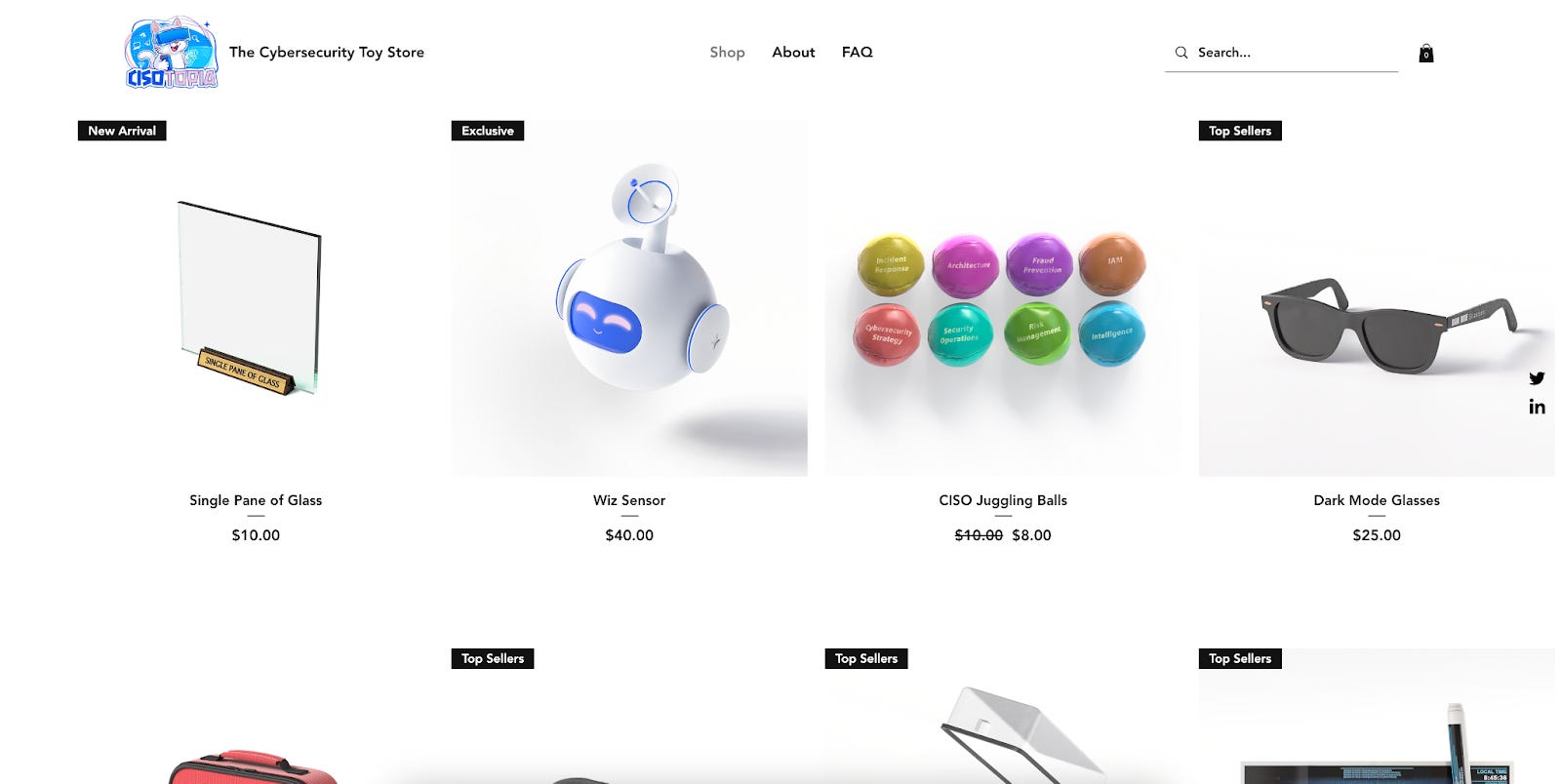
A smart and simple animation like this can be enough to make users smile and appreciate that they have completed their intended task. That high five might just be a simple animation, but it is memorable and something Mailchimp users want to see when they finish setting up a campaign. And hey - it’s funny. When was the last time you high-fived a chimp? 4. The ‘Golden Rules’ to winning at the humor gameNow that we’ve covered the key areas where humor can be deployed, let’s look at the three most effective methods to apply humor to your startup. Cybersecurity is typically serious business. After all, there’s nothing funny about data breaches, ransomware, or cloud misconfigurations. At Wiz, we decided to take a non-traditional approach that no one expected – the launch of CISOtopia, the first-ever toy store designed for cybersecurity professionals as an April Fool’s Day joke.
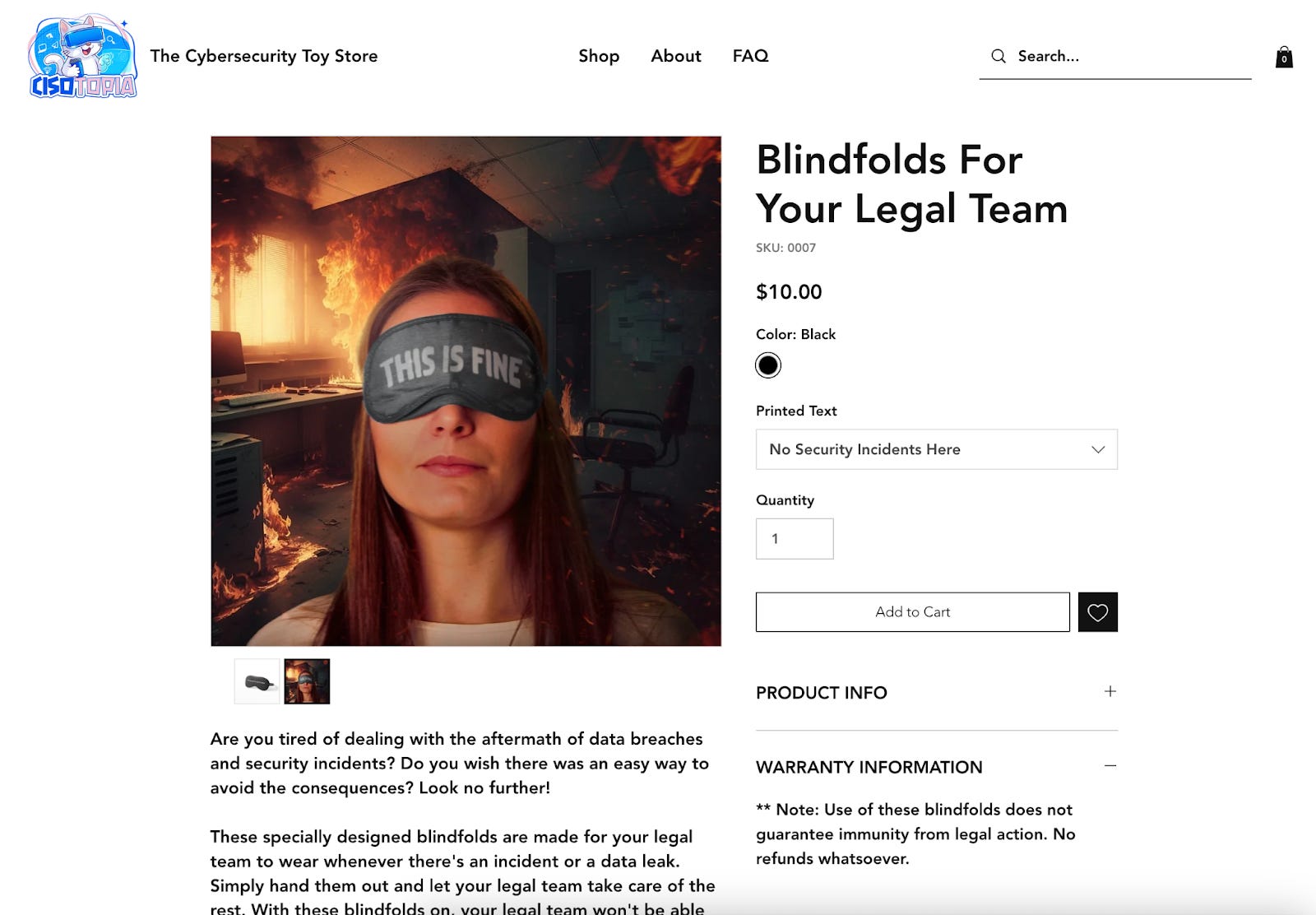
We went all-in to the project. We even hired a 3D artist to create hilarious fake products for our online storefront, like blindfolds for your startup’s legal team (for when there’s a cybersecurity incident).
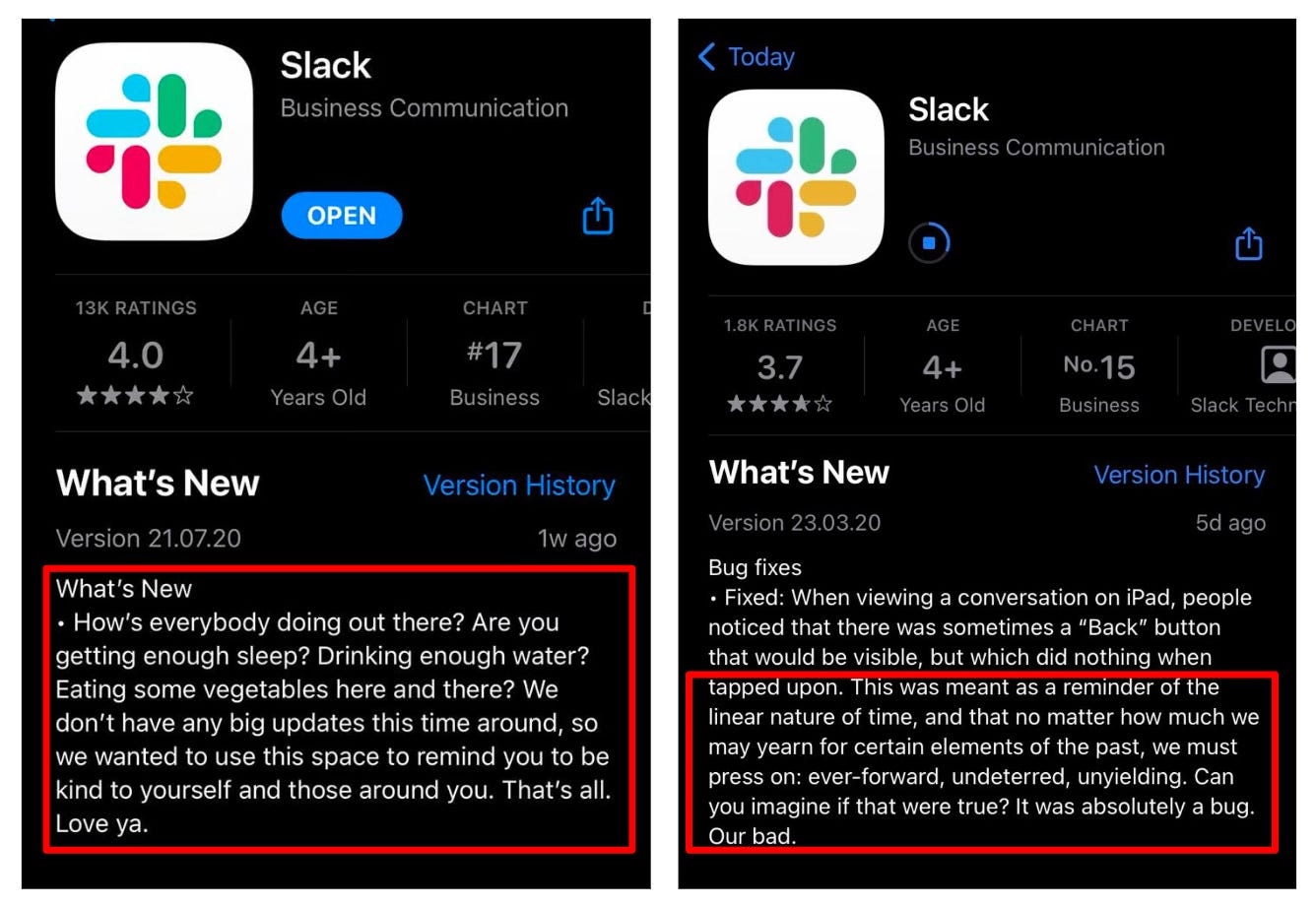
The fake store quickly went viral as it was shared all over social media (e.g. Reddit, X). Within a week, the CISOtopia prank website had more than 110,000 unique visitors. We could also attribute a 15%-20% uplift in traffic to Wiz.io, our real website, for the entire month of April (the CISOtopia launch month). And for the final twist — we actually manufactured most of these toys and ended up handing them out at conferences. Why did this work? By bringing a lighter tone to an otherwise serious business, we were able to shake up the industry. Designing fake toys for CISOs and cybersecurity pros turned out to be a great move – the element of surprise was funny enough to garner attention long after April Fool’s had ended. This leads us to our first “Golden Rule” of using humor to grow your startup… Golden Rule 1 – Be funny where everybody else isn’tIf there’s only one thing you remember from this guide at the end of the day, let it be this: be funny where everybody else is not funny. That’s my number one rule of thumb. Catching your audience off-guard and commanding their attention when and where they least expect it will create the most shock-value and memorable experience with your startup. Companies like Slack are the perfect example of this technique by sprinkling humor into otherwise serious, unexpected spots like version updates in the App Store or automated messages, which are then circulated online by users who find them funny.
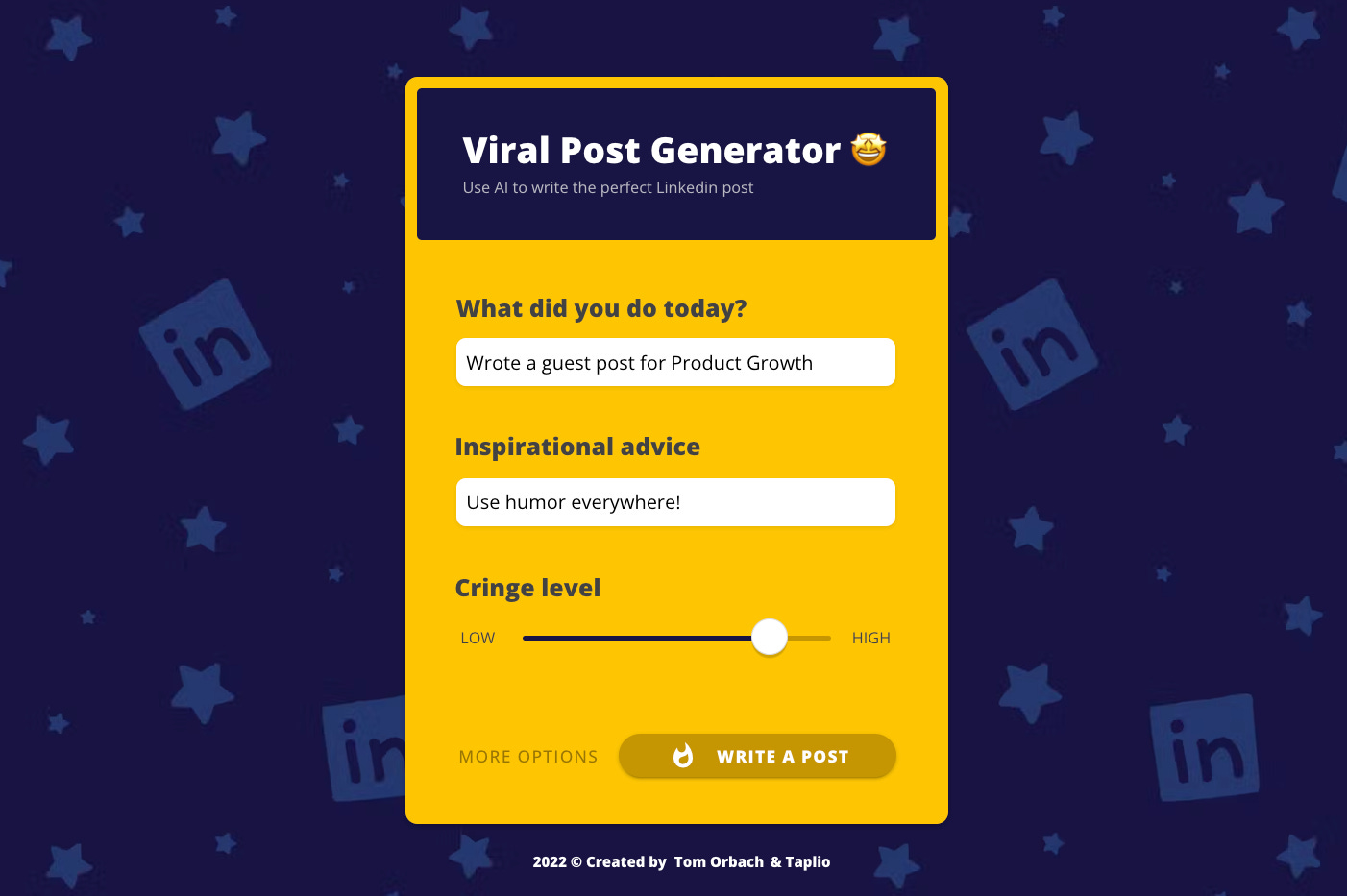
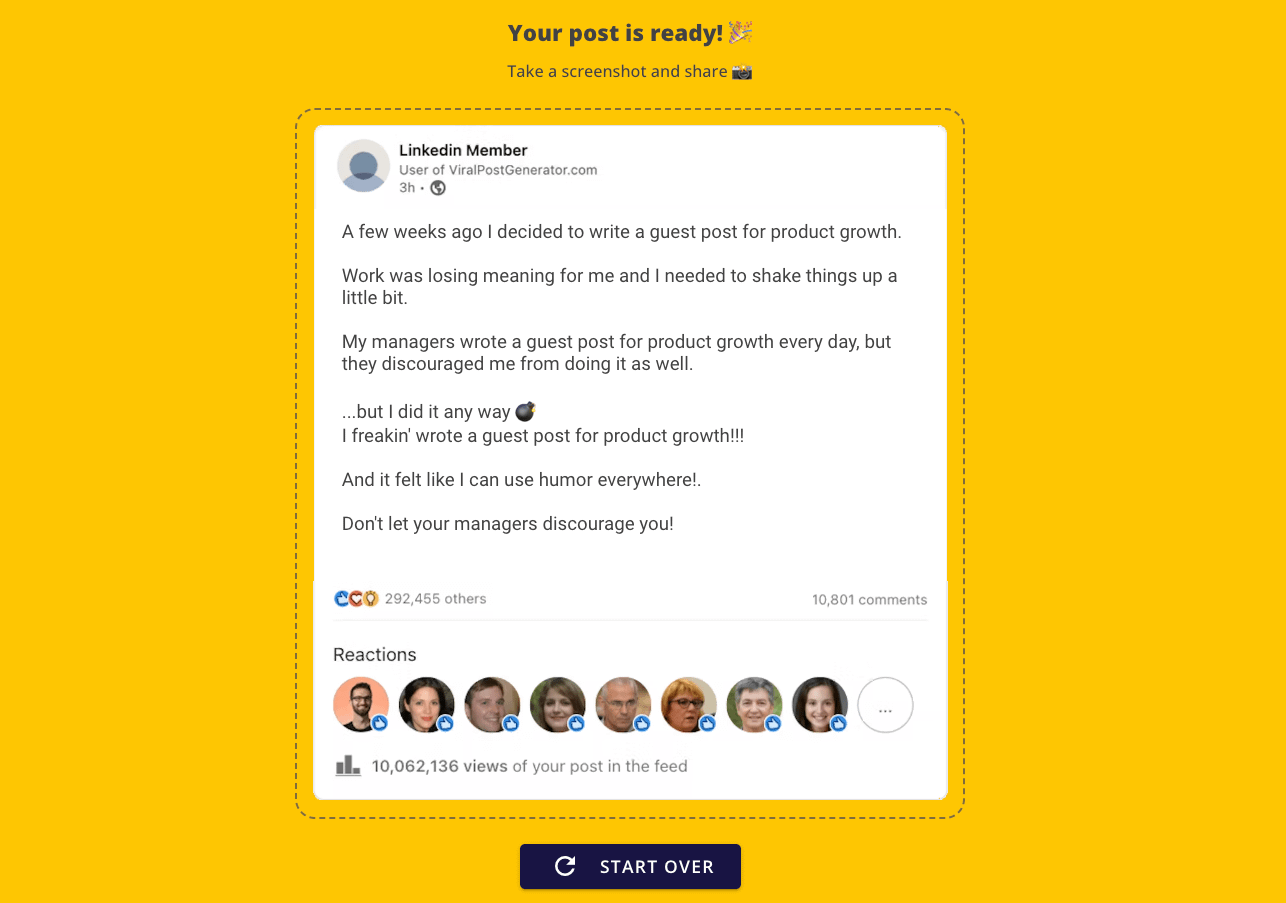
By Infusing humor in unpredictable situations, you show people you’re thinking about them and understand them when they least expect it. As a result, they will feel loved and “seen” and they will love you back. Now it’s important to note that this approach can backfire if you go overboard or try to lighten sensitive subjects or deeply held beliefs (like politics or religion). You could inadvertently offend your customer base. Golden Rule 2 – Be specific to your industryWhen it comes to humor, inside jokes are a secret weapon. Sticking to industry-specific comic insights is the best way to engage customers and industry thought leaders. Why? Using inside jokes and speaking to your audience in “their language” makes them feel loved, because no one usually spends the time or effort to create humor made specifically for them and their interests. That’s the magic of humor in startup growth. There’s a reason nearly every industry and major organization from Google software engineers to the US Coast Guard usually ends up with a company-run meme page: humor that applies to a specific subset of people makes them feel understood. Start by creating a meme page or some memes of your own to share with your target audience on community pages. Golden Rule 3 – Play off an unspoken insight everyone already knowsA tested framework I like to use is to take an industry-insight everyone already knows about and secretly agrees on and — make it public. I used this framework a few years ago which resulted in a funny-side project going viral and getting acquired: my Viral Post Generator for LinkedIn. It was based on the insight that everyone thinks LinkedIn posts are cringey. While nearly everyone agrees, hardly anyone talks about it.
It all started when I scraped thousands of viral LinkedIn posts in an attempt to find a common thread. In doing so, I learned the most frequently used word in posts was “me” – people LOVE talking about themselves on the platform, sometimes inflating the most simple experiences to make up an inspirational message in hopes of turning heads. I combined that with the general insight that most users find inflated LinkedIn posts cringy (something everyone knows but is rarely talked about – there’s that key rule again!) and turned it into a simple Viral Post Generator that generated cringeworthy posts based on users input. I added a cringe meter for good measure (ha!), made the resulting post shareable, and struck gold. It quickly caught fire and went viral.
The cringe meter (that, by the way, didn’t actually function) turned out to be the secret sauce, so to speak – users were constantly talking about it online – reflecting the unspoken insight. The generator was used by more than 2 million people and was acquired 2 weeks after launching. Ask yourself:
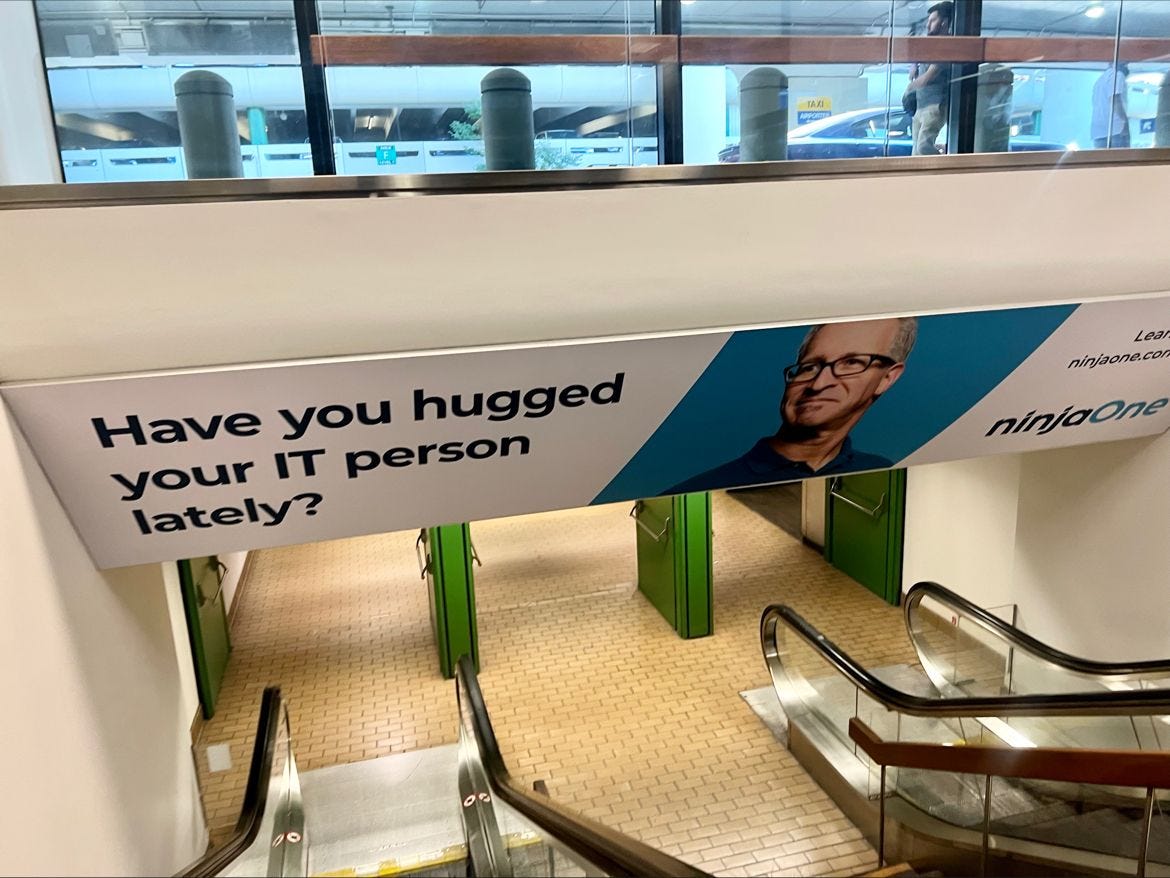
5. What if I’m not very funny?Not everyone is born with the gift of humor like a Saturday Night Live star, but here’s the good news – humor is a skill that can be developed like any other capability, just like teamwork, communication, and prioritization. It’s unique and personal to you as a product manager and, on a larger scale, your startup. From my experience, there are a few quick and practical methods for applying humor. I’ve gathered some tips over the years to get you started into a Humor 101 ‘Cheat Sheet’ below. Use these tips when you want to add a little lightness but aren’t sure where to start. Solution 1 - Keep it simpleYou don’t have to write a ten-minute comedy set to make an impression. Stay professional and accurate, but use down-to-earth, everyday language to make content more relatable to your audience. Keep techie jargon to a minimum when addressing users, unless you can work it into a punchline to appeal to industry professionals! Solution 2 - Find common groundWhat do you and your audience already share insight on? Like my Viral Post Generator, I was able to quickly connect with my audience once I found a common denominator – the cringeworthiness of LinkedIn. Which brings me to my next point… Solution 3 - Be data-drivenI never would have found the common thread that led to creating a viral application if it wasn’t for data. Plugging in thousands of LinkedIn posts to a table pointed me to the very thing I needed to relate to millions of people. Analyze your audience to find out what they care about, the kind of language they use (how they “talk” online), and find common threads that aren’t really spoken out loud. Take that data and use it to develop humorous content curated specifically for them. Solution 4 - Be relatable, but not controversial"The Humor Code" by Peter McGraw and Joel Warner discusses Benign Violation Theory, the concept that humor arises when something seems wrong or unsettling but is simultaneously safe. The key is to find the boundary and get close without crossing it, playfully acknowledging uncomfortable facts, beliefs, or circumstances without being offensive or insensitive. The balance of dark with light humor is what determines the success of the joke – too much of either and the joke can fail to land or worse, backfire. Take IT professionals, for example. They work hard, they’re kind of lonely, and it can be easy to overlook their many contributions. An ad on a subway station asked viewers, “have you hugged your IT person lately?”.
This lightheartedly poked fun at the plight of the IT department without making it offensive while, at the same time, making IT workers feel seen and understood. Solution 5 - Don’t fake it ‘til you make it – keep it real and keep trying insteadAuthenticity is key to making the connection, according to acclaimed comedian Steve Martin’s memoir, Born Standing Up. Basing comedic and humorous content on your real, lived experiences, viewpoints, and brand values is the key to win loyal followers. If the phishing awareness meme you included in a company-wide email didn’t get as many positive acknowledgements as you’d hoped, don’t hang up your hat. There are plenty more opportunities to share tech-related humor. You should take every one. It may take a few tries to achieve the expected result, but take Steve’s word for it:
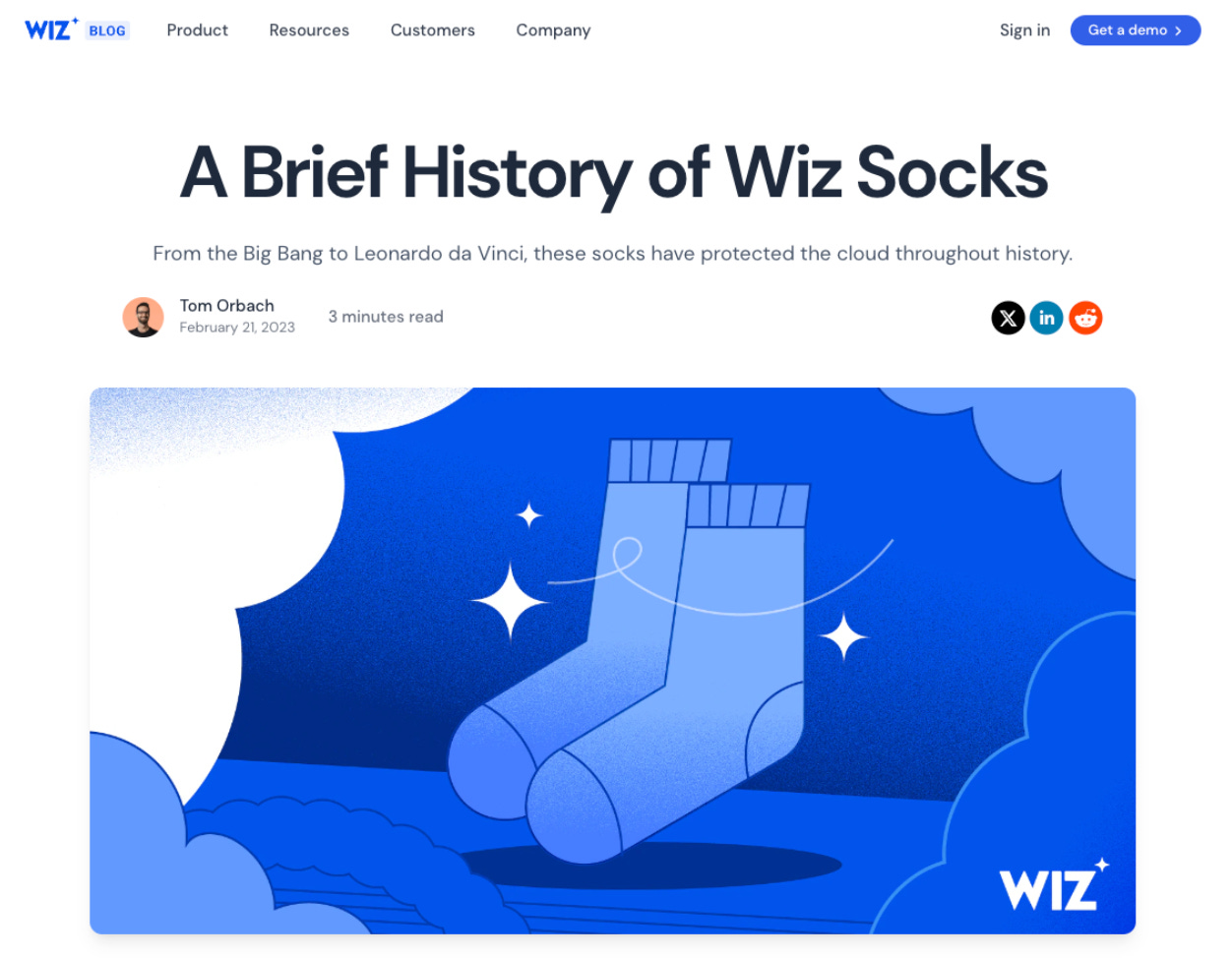
Solution 6 - Tell a made-up storyIt’s possible to breathe new life into something people are already familiar with – like the time we ran an atypical story on the Wiz blog. It wasn’t the usual tech-focused write-up. Instead, I wrote a long, mostly made-up story on the history of the socks we give away in our swag bags. That’s right: socks. Ones we don’t even sell. I retold human history, featuring our branded socks woven into every major event and on every historical icon from The Big Bang to the Mona Lisa. People loved it. They were familiar with the true history behind the events I outlined, but adding the funny, surprising, and nonsensical element of the socks made them laugh.
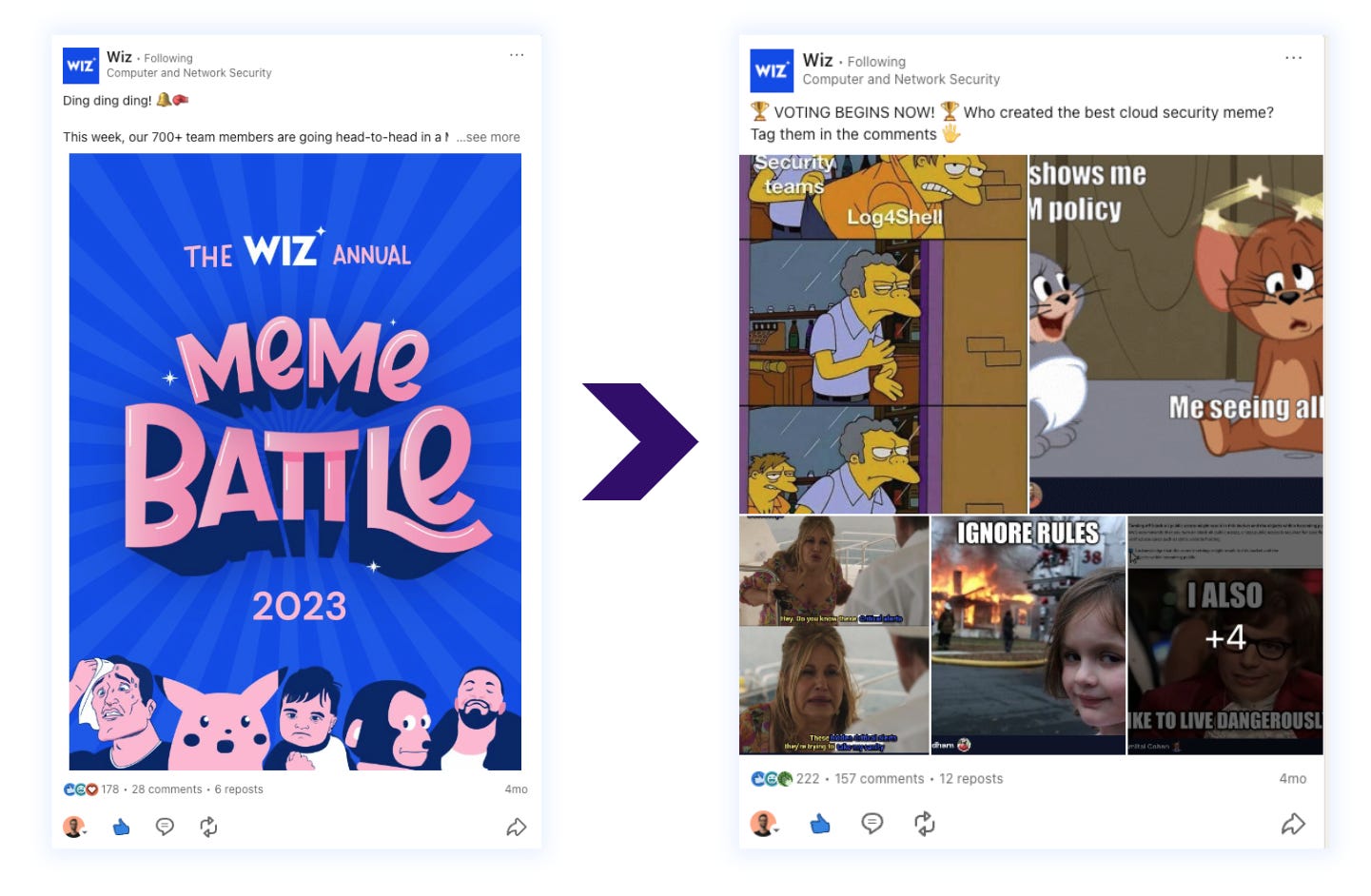
Why did this generate buzz? According to one study, it’s possible that we remember funny stories more often than we remember other positive emotions. Participants were given knock-knock jokes with or without a pun. The group that was exposed to the jokes with the original puns consistently showed better memory recall. This suggests that it’s especially easy to make a lasting impression with a pun, because it’s a more simple delivery that requires less mental effort. Brief, clever puns stick around in our minds – whether it’s because of the “ah ha, you got me!” moments that happen when we don’t correctly guess the ending or because it makes us laugh so hard we go weak in the knees. Either way, we remember the interaction fondly. Solution 7 - Play off othersBeing adaptable, especially in interactions with our peers or audience, can produce brilliant, spontaneous moments of humor with major impact. In improv, this is called the “Yes, And” concept, outlined in this book by the same name, where you agree and add to a person’s suggestions to create the scene. Using improvisation is shown to increase confidence and reduce social anxiety, making it easier to connect. Use improv to collaborate with teammates internally, using each others’ ideas and suggestions to build something humorous together instead of closing the conversation. If I’d been booed or shut down when I pitched the aforementioned History of Socks blog, we never would have made our customers (and other cybersecurity pros) laugh and would have lost that opportunity for connection. Solution 8 - Crowdsource your materialIn 2023, we announced our annual Meme Battle at Wiz. We asked employees to create cybersecurity memes and tasked the public with voting for the best one.
We didn’t anticipate what would happen next: A huge cybersecurity LinkedIn page (The Cyber Security Hub) with more than a million followers shared one of the memes and tagged us. We plugged an ad in the first comment and saw a major influx in followers on the same day. We didn’t have to try to be funny ourselves. We asked other people to tell us what they found funny, and inviting them to collaborate with us in finding humor paid off more than we expected. Solution 9 - Use tried-and-true comedy formulas to break down barriersIf you’re struggling to come up with something on your own, learn from the professionals by borrowing a framework and tailor it to fit your needs. Here are some of the most common, established comedic premises to build your jokes and stories and deliver your concept to the audience:
Don’t combine them or overcomplicate things. Just pick one formula and master it. Remember, the goal is to make the audience feel seen. Now it’s time to crack some jokesYou don’t need to rely on knock-knock jokes to win people over and grow your business – wit, brevity, honesty, and a little practice are all you need to create rapport. If you don’t know where to start, follow my simple cheat sheet above. Most importantly, remember the 3 Golden Rules. As long as you:
You’ll be positioned for positive growth outcomes. These key rules will lead you to comedic success and ultimately build a brand experience that your customers will connect with at a more personal level. Hit me up in the comments if you have any questions! Additional Resources
Final WordsAakash here–I hope you enjoyed that deep dive from Tom. I’ll continue to bring the best collaborators in to help you up-level your product growth. Be sure to check out his newsletter Marketing Ideas for more weekly content like it. Up NextOver the next few weeks, we’ll be covering:
This includes some legendary collaborators—like a GPM at Google, 3x Senior Director of Product, and leading Design thinker. See you then 🍻
You're currently a free subscriber to Product Growth. For the full experience, upgrade your subscription.
|










This week’s system design refresher: Top 9 Most Popular API Protocols (Youtube video) What is a deadlock? What’s the difference between Session-based authentication and JWTs? Top 6 ElasticSearch Use Cases Top 9 Cases Behind 100% CPU Usage SPONSOR US ͏ ͏ ͏ ͏ ͏ ͏ ͏ ͏ ͏ ͏ ͏ ͏ ͏ ͏ ͏ ͏ ͏ ͏ ͏ ͏ ͏ ͏ ͏ ͏ ͏ ͏ ͏ ͏ ...
Comments
Post a Comment