The History of ActivationActivation had always been something that core product teams focused on. To get users to use a feature, you have to make sure they try it and understand the value. As a result, for years, activation was a topic for core PMs. It existed under different names - trial, adoption, and aha - but it was omnipresent. It’s not as if activation was just invented. But it did all change due to one company: the subject of so many of our product growth histories, Facebook. Once Facebook established its growth team circa 2008 and identified the magic moment as a key component of its model, activation became a subject of growth. In 2013, Chamath shared his learnings on activation at Growth Hackers 2013: 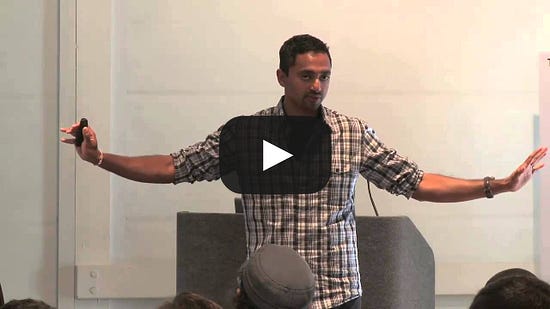
He ignited the activation rocket ship, and slowly, the ideology has swept throughout the Valley and global growth landscape.
Activation has become a ubiquitous growth concept. So when my manager at Affirm shared in 2021 that he was thinking I should make growth’s entire focus at Affirm activation, I wasn’t surprised. Activation has become a core assignment for growth teams the world over: B2B and B2C. What is Activation?So it’s funny how many people are confused about what activation is. If you talk to your average GTM counterpart outside growth, they probably will give you a different definition. I heard all of the following at Apollo:
These are all completely plausible misconceptions. Different fields have different activations. But, when we’re talking about activation in product growth:
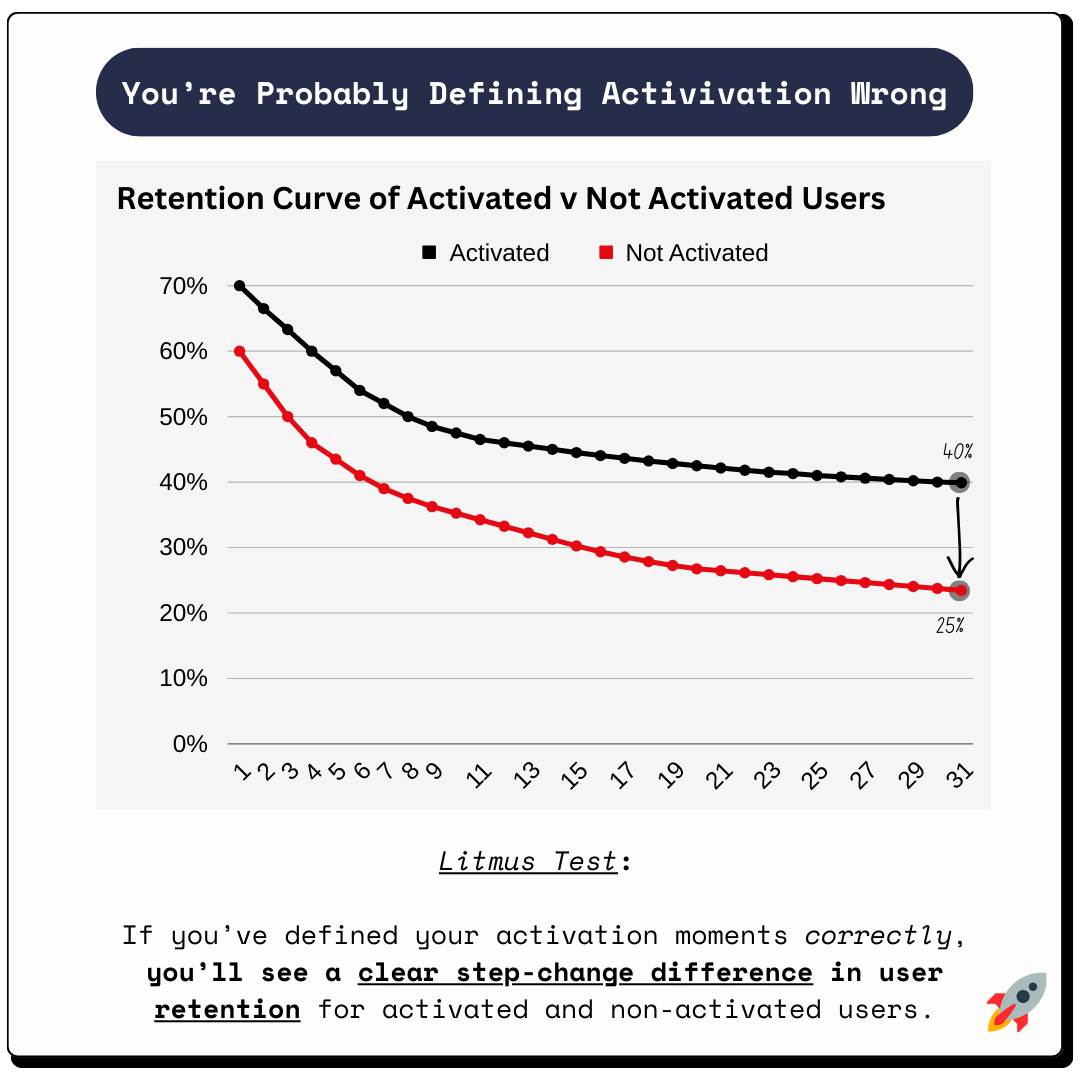
They “get it.” For years, product leaders would just assert these aha moments based on their own intuition. But eventually, rival executives wisened up and demanded the data. These days, the best activation moments are supported by the data. They represent an action that puts a “kink” in the user’s retention rate:
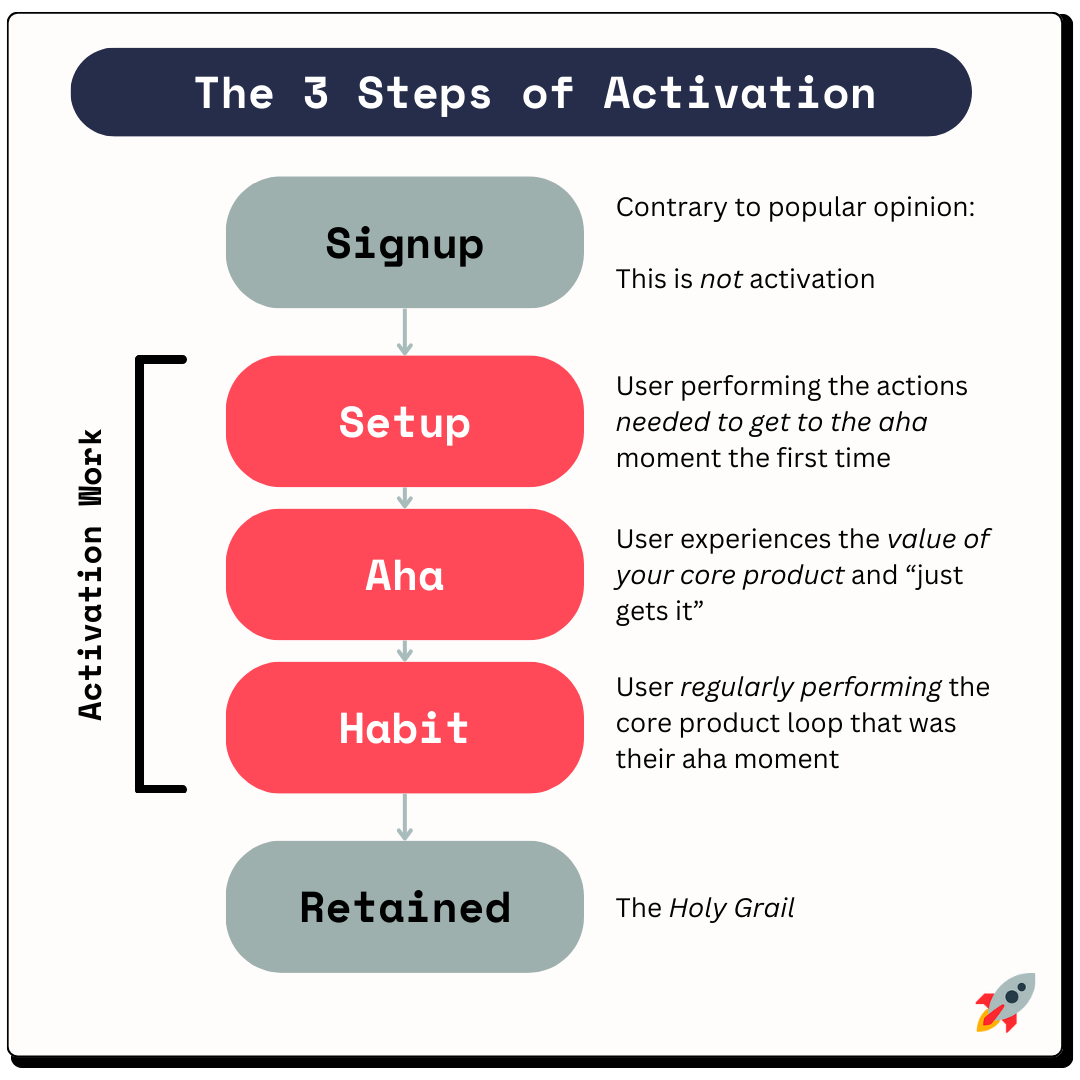
So when teams talk about activation, they talk about the product steps teams can focus on to move users towards retention. Setup, Aha, and HabitThe most typical way to do this is three steps:
It can be hard to understand without an example. Let’s go back to our Facebook example with Chamath.
Activation is then the the measurement of the rate of users the product team can get to these setup, aha, and habit metrics over a certain timeframe. Activation is Hard!Activation is one of the hardest things to move in product. Numerous product teams have floundered in moving the metric. If we could all suddenly just get users to do what we want, we wouldn’t need activation teams, after all. 3 factors make activation harder than many other product problems:
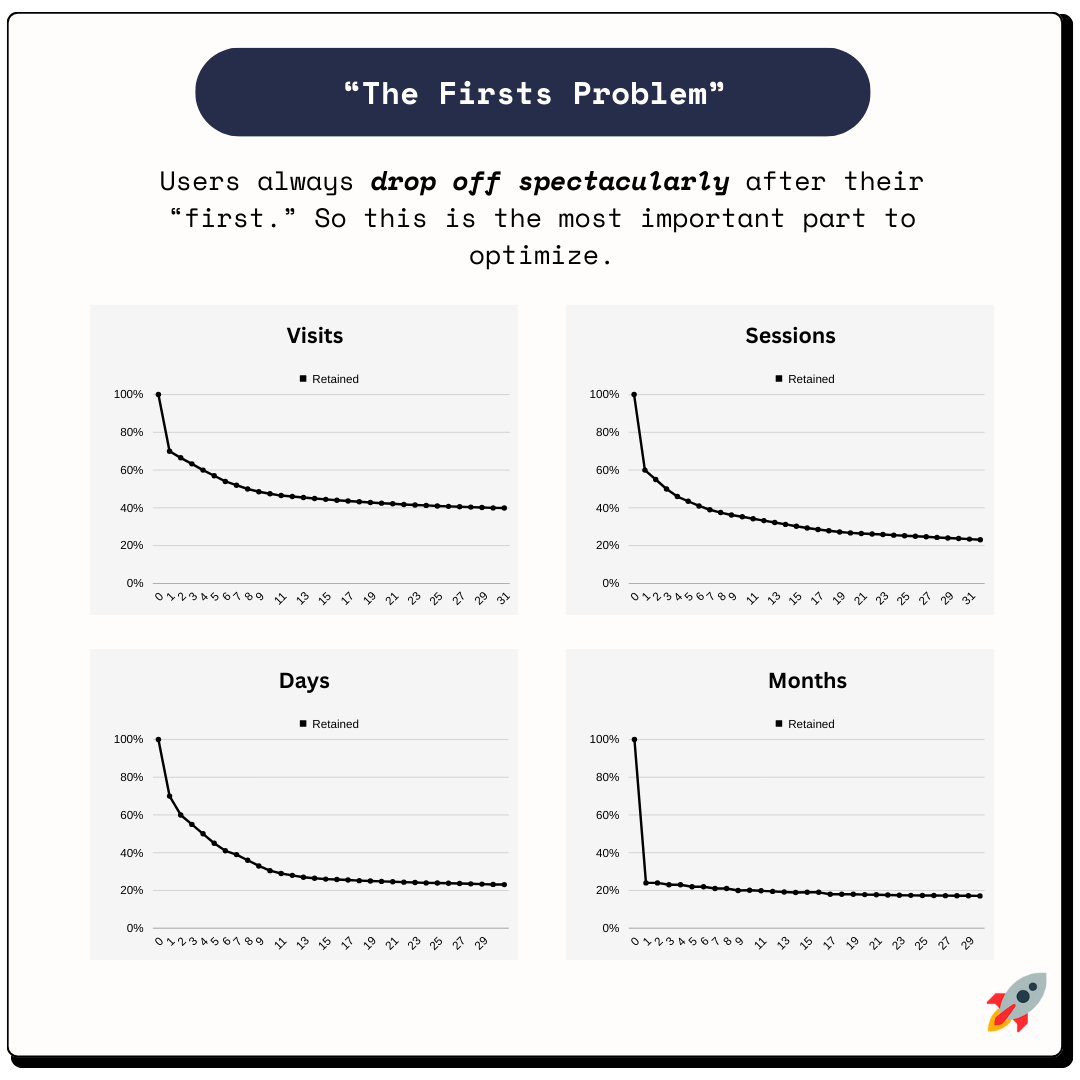
Activation Couldn’t Be More ImportantOnce you build a great product, acquisition just tends to happen by word of mouth. The problem flips from acquiring users to retaining them. This is where everyone tends to return in “The Firsts Problem.” What is the Firsts Problem? All metrics drop off after a user’s first:
So you really have to make the best use of these “firsts” as you can. That’s where activation comes into play. It’s the best way to move retention, because it focuses on the segment of your group that has the biggest drop-off in retention.
Today’s Deep-DiveTo make your activation journey a bit easier, we’re going to cover 3 main topics:
It’s all the takeaways from my time on activation at ScoutForce, thredUP, Epic, Google Affirm, and Apollo... Keep reading with a 7-day free trialSubscribe to Product Growth to keep reading this post and get 7 days of free access to the full post archives. A subscription gets you:
|





This week’s system design refresher: Top 9 Most Popular API Protocols (Youtube video) What is a deadlock? What’s the difference between Session-based authentication and JWTs? Top 6 ElasticSearch Use Cases Top 9 Cases Behind 100% CPU Usage SPONSOR US ͏ ͏ ͏ ͏ ͏ ͏ ͏ ͏ ͏ ͏ ͏ ͏ ͏ ͏ ͏ ͏ ͏ ͏ ͏ ͏ ͏ ͏ ͏ ͏ ͏ ͏ ͏ ͏ ...
Comments
Post a Comment